Latest developments and implications of peace and conflict in Africa through the Global Peace Index 2022

Latest developments and implications of peace and conflict in Africa through the Global Peace Index 2022

The nineteenth conference:

Africa Sessions 19

Tuesday July 14, 2022
18.00h – GMT (Lisbon Time)
[dipl_separator separator_color=”#f6cb2c” _builder_version=”4.18.0″ _module_preset=”default” custom_margin=”0px|0px|25px|0px|false|false” custom_padding=”||||false|false” hover_enabled=”0″ global_colors_info=”{}” sticky_enabled=”0″ link_option_url=”https://africasessions.com/wp-content/uploads/2022/09/Africa-Sessions-19-Resume.pdf”][/dipl_separator]

download Global Peace Index Overview

download Global Peace Index 2022

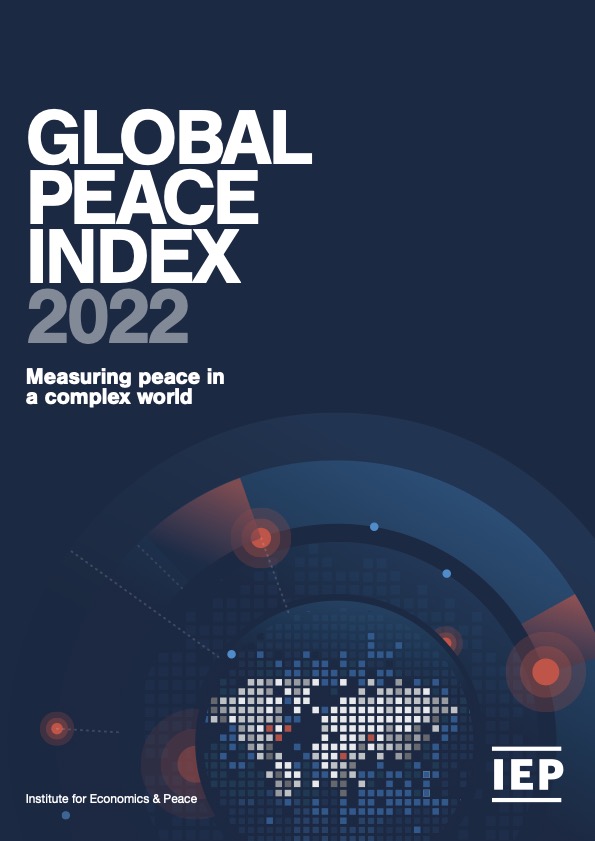
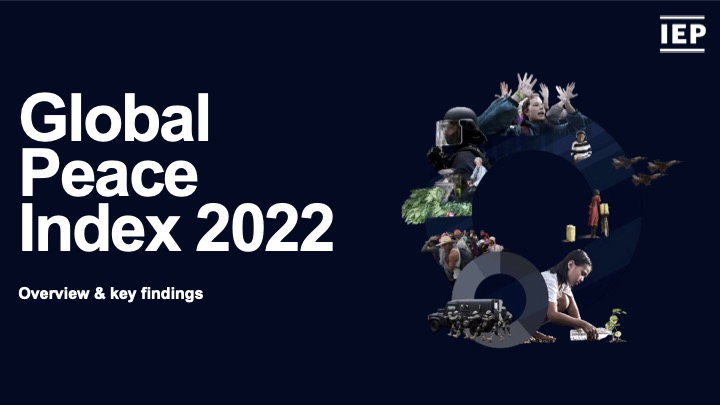
With this virtual seminar, we once again open a GLOBAL STRATEGIC PLATFORM debate room: AFRICA SESSIONS, which will focus today the Global Peace Index (GPI) and the impact on security and defence in Africa.

The Global Peace Index is produced on a yearly basis by the Institute for Economics and Peace (IEP). Already in its 16th edition (2022), the GPI ranks 163 independent states and territories according to the level of what is defined as ‘peacefulness’.
It measures the state of peace across three domains: i) societal safety and security, ii) ongoing domestic and international conflict, iii) militarisation. The index is based on 23 quantitative and qualitative indicators each weighting on a scale of 1 (more peaceful)-5 (less peaceful).

Ghana ranks at the top of the most peaceful countries in Africa (40th place globally), whereas South Sudan is the least peaceful African country ranking also amongst the least peaceful in the world (159th place).
Based on the report findings and analysis, the webinar aims to provide an overview of the latest development and implications of peace and conflict in the African continent, both in North and Sub-Saharan African countries.

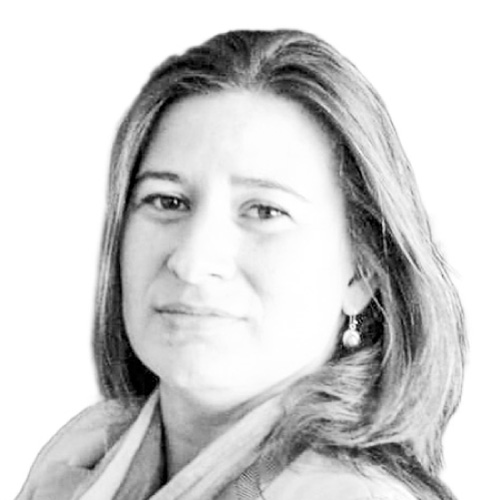
PANELIST

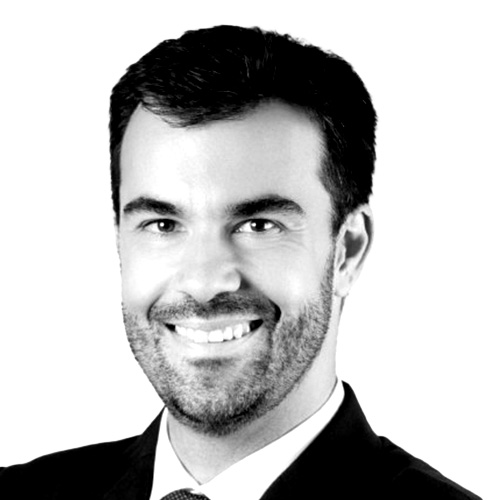
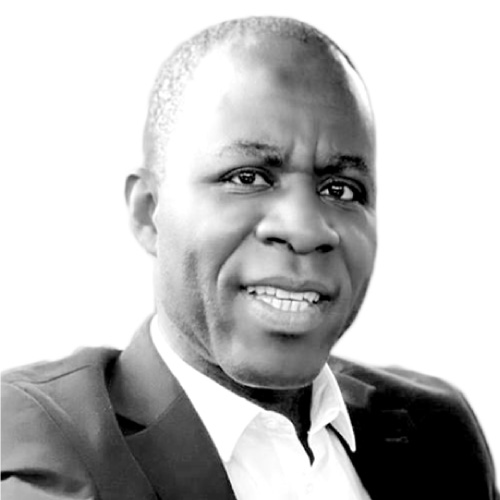
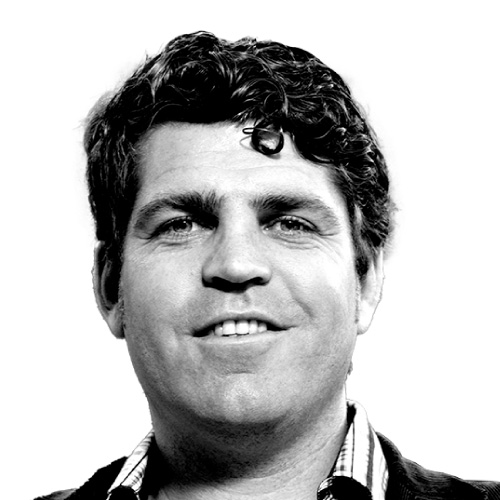
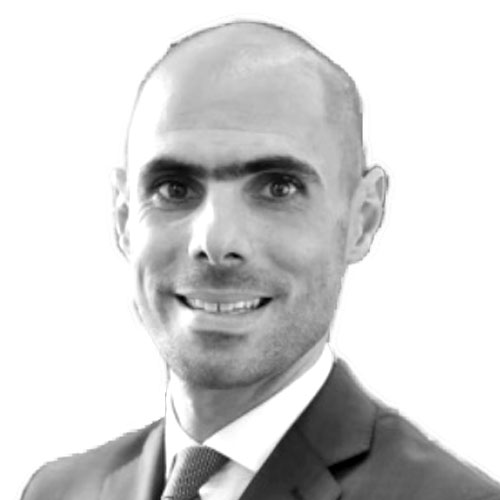
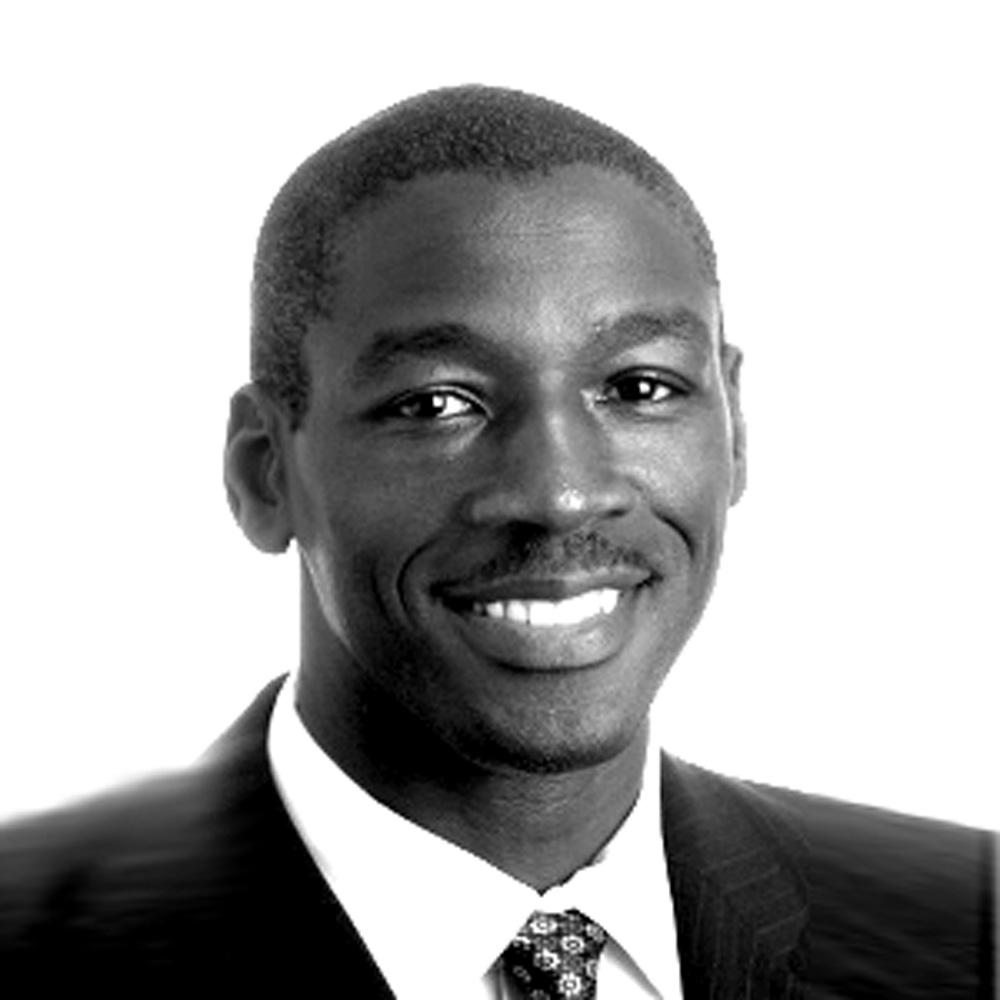
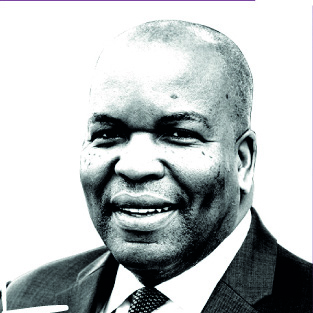
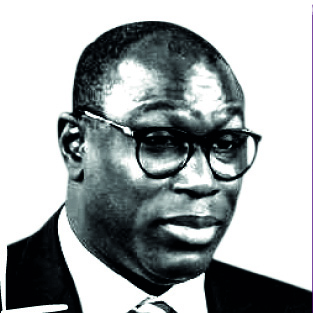
Serge STROOBANTS

Serge STROOBANTS

Institute for Economics and Peace

Director Europe & MENA at the Institute for Economics and Peace

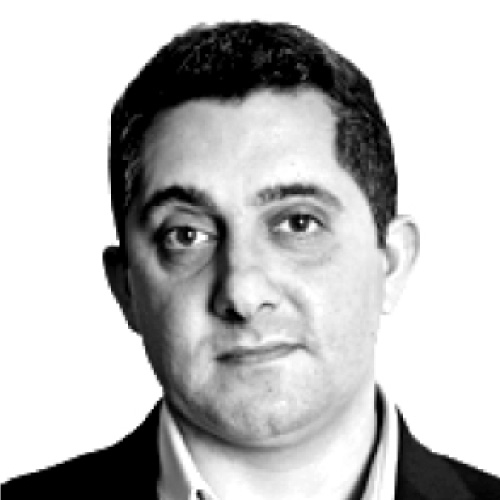
INTRODUCTION
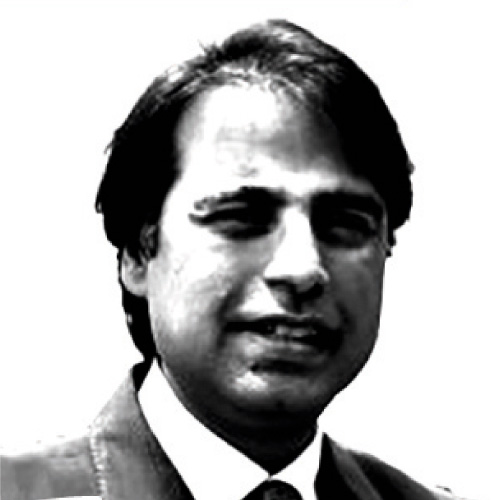
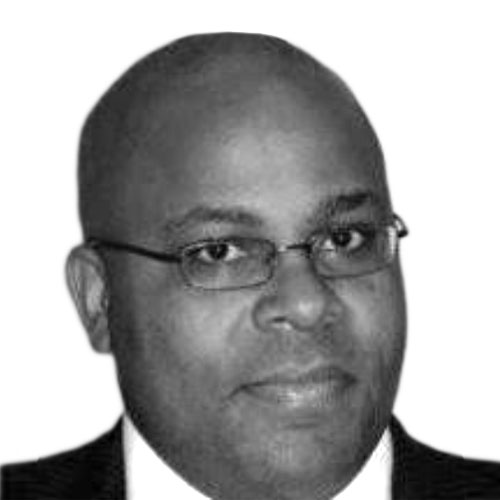
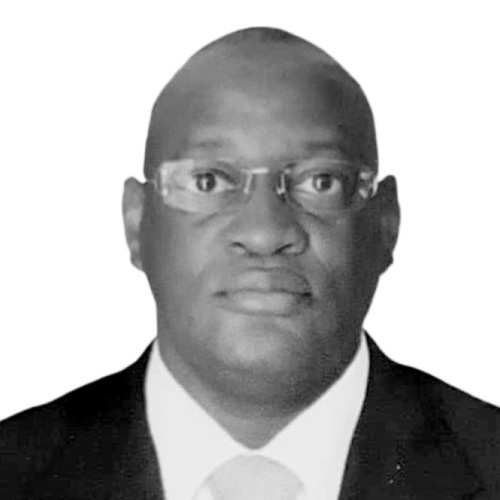
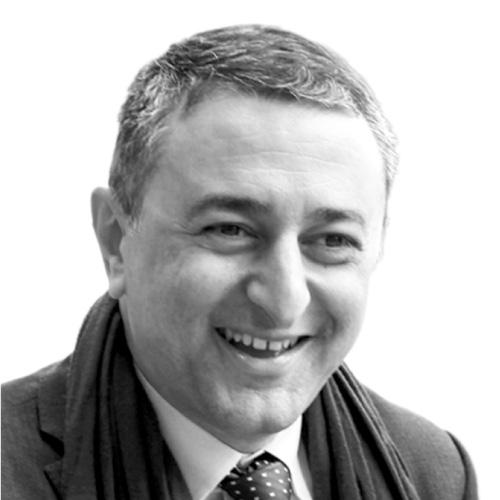
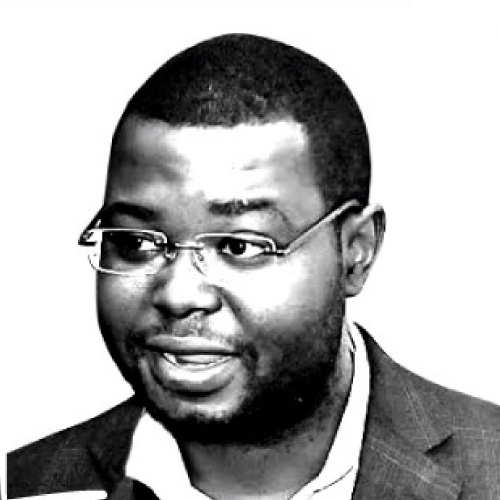
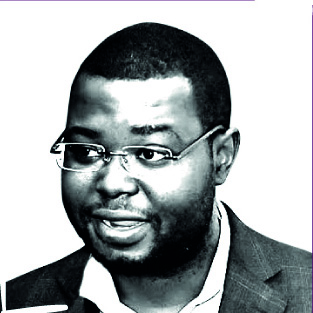
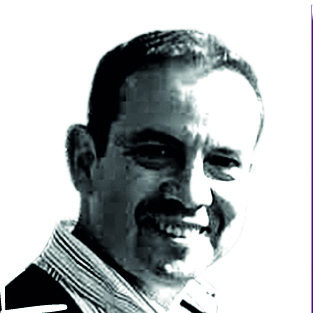
Salim Valimamade

Salim Valimamade

Professor

Vice-President of Global Strategic Platform

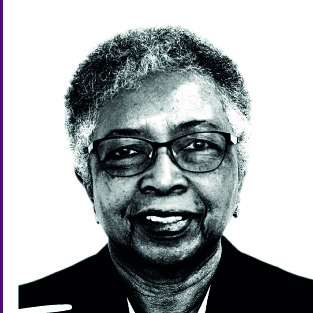
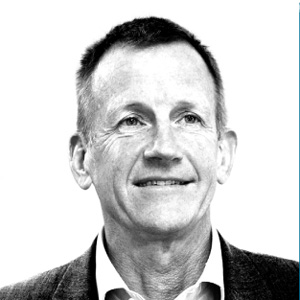
MODERATORS
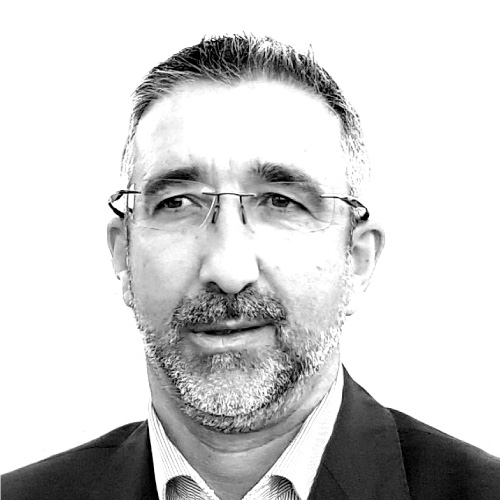
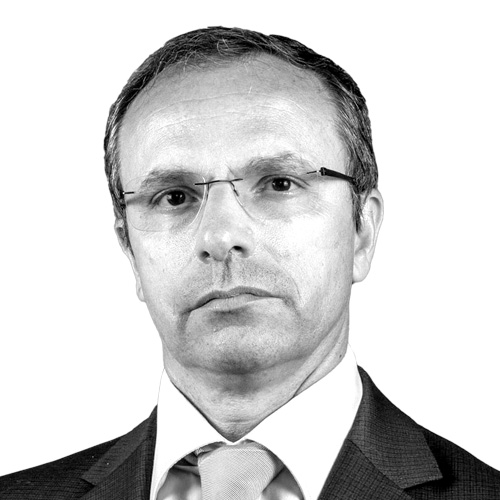
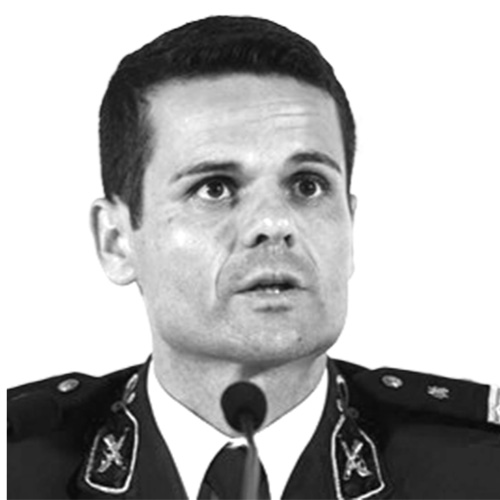
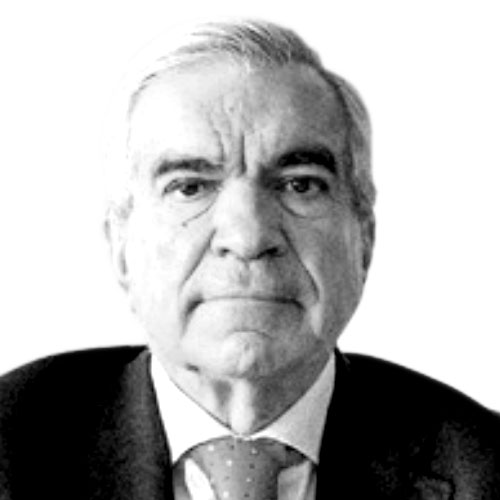
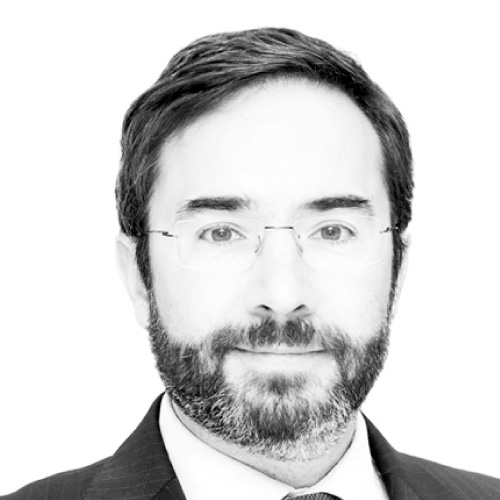
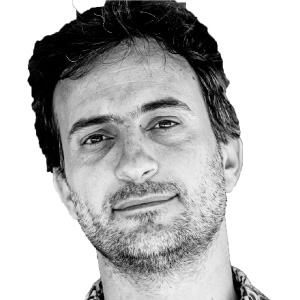
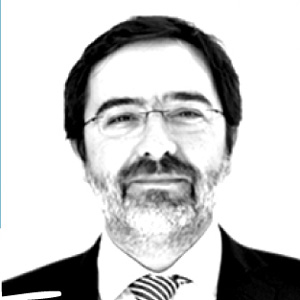
Luis Bras Bernardino

Luis Bras Bernardino

Professor at University Military Institute and University of Lisbon

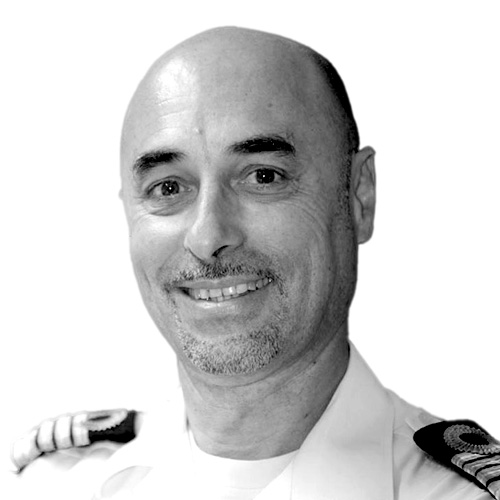
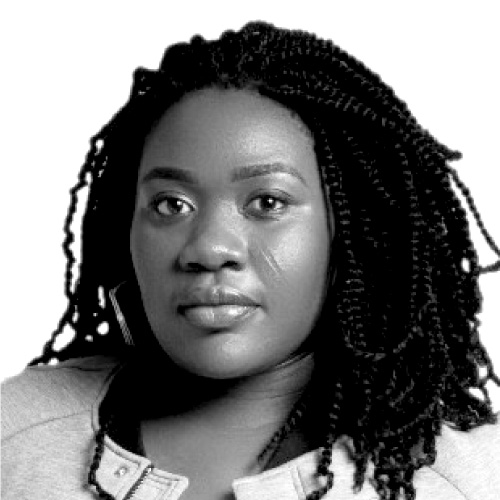
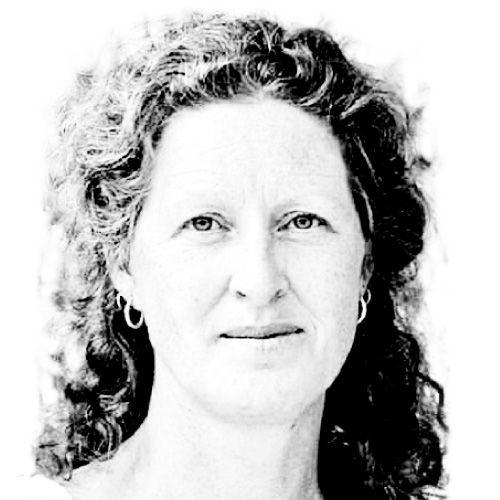
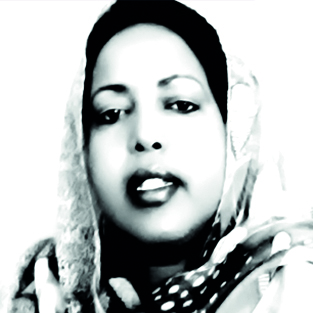
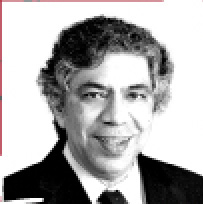
ANA CARINA S. FRANCO

ANA CARINA S. FRANCO

Researcher IPRI-NOVA
Independent Consultant

A geopolítica do petróleo e o impacto económico para Angola

A Geopolítica do Petróleo e o Impacto Económico para Angola

The eighteenth conference, in Portuguese:

Africa Sessions 18

Tuesday June 14, 2022
18.00h – GMT (Lisbon Time)

[dipl_separator separator_color=”#f6cb2c” _builder_version=”4.16″ _module_preset=”default” custom_margin=”0px|0px|25px|0px|false|false” custom_padding=”||||false|false” global_colors_info=”{}”][/dipl_separator]

Vivemos atualmente numa sociedade caracterizada pelo fenómeno da globalização crescente, com impacto na economia, finanças, no desenvolvimento e na segurança. Neste contexto geopolítico energético desafiante e complexo, as Organizações e os Estados assumem, cada vez mais, um papel de relevo na criação de condições de negócio no sentido de contribuir para o desenvolvimento da sociedade.
A geopolítica energética, nomeadamente as questões relacionadas com o gás natural e o petróleo e a necessidade urgente de acesso a novas e mais estratégicos mercados de hidrocarbonetos, motivado pela recente crise na Ucrânia, passou assim a dominar as agendas internacionais, ocupando grande parte das atividades e iniciativas estratégicas realizadas pelas Organizações e pelos Estados, num processo dinâmico e interdependente, mas nem sempre fácil e com consequências positivas.

Assim, a colaboração estratégica entre atores Estatais e não Estatais vem assumindo especial relevância na economia global, e especialmente em África onde existe uma janela de oportunidade para reforçar a sua presença no mercado global de hidrocarbonetos, beneficiando as economias regionais africanos e essencialmente os países produtores.

Neste contexto, existe para Angola uma reflexão que se torna necessária e urgente realizar, respondendo à sempre difícil questão de saber quais os reais impactos para Angola desta “nova” geopolítica do petróleo.

Neste paradigma inovador de economia global, para fazer face aos atuais desafios energéticos emergentes, importa assim analisar e debater sobre os principais desafios e oportunidades que se colocam aos Africanos e mais concretamente a Angola e face da “nova” geopolítica do petróleo no século XXI.

PARTICIPANTS

Salim Valimamade

Salim Valimamade

Professor

Professor na Universidade Católica de Angola Cofundador da GSP/Africa Sessions
Luís de Almeida

Luís de Almeida

Professor

Especialista em Energia e Hidrocarbonetos
Luís Neves

Luís Neves

Professor

Senior Oil Trader at SONANGOL

MODERADORES

Francisco Proença Garcia

Francisco Proença Garcia

Professor Doutor

Instituto de Estudos Políticos da Universidade Católica Portuguesa. Coordenador Científico da Pós-Graduação “Inteligence e Estudos de Segurança”
Luis Bras Bernardino

Luis Bras Bernardino

Coronel do Exército

Professor e Investigador no Centro de Estudos Internacionais do Instituto Universitário de Lisboa (CEI-IUL)
Especialista em temas de Segurança e Defesa Africana
Membro da Global Strategic Platform (GSP)

A Segurança Global. Desafios e oportunidades para África

A Segurança Global.
Desafios e oportunidades para África

The seventeenth conference, in Portuguese:

Africa Sessions 17

Wednesday March 30, 2022
18.00h – GMT (Lisbon Time)

Vivemos atualmente numa sociedade caracterizada pelo fenómeno da globalização crescente, com impacto direto na economia, finanças, no desenvolvimento e na segurança. Neste contexto geopolítico desafiante, as Organizações e os Estados assumem, cada vez mais, um papel de relevo na criação de condições de segurança no sentido de contribuir para o desenvolvimento da sociedade.

A segurança global passou assim a dominar as agendas internacionais, ocupando grande parte das atividades e iniciativas estratégicas realizadas pelas Organizações e pelos Estados, num processo dinâmico e interdependente, mas nem sempre fácil e com consequências positivas.

Assim, a colaboração estratégica entre a cooperação bi e multilateral, envolvendo atores Estatais e não Estatais vem assumindo especial relevância no mundo global, e especialmente em África onde a relação e o equilíbrio entre desenvolvimento e segurança torna-se fundamental para as sociedades.

Neste paradigma inovador de segurança global, para fazer face aos atuais riscos e ameaças securitárias emergentes, importa analisar e debater sobre os principais desafios e oportunidades que se colocam aos Africanos e a África para o século XXI.

PARTICIPANTS

LUCA BUSSOTTI

LUCA BUSSOTTI

Professor Doutor

Professor e Investigador no Centro de Estudos Avançados da Universidade Federal de Pernambuco – Brasil

ANA CARINA S. FRANCO

ANA CARINA S. FRANCO

Doutoranda

Doutoranda em Relações Internacionais na Universidade Nova de Lisboa; Bolseira de Investigação no Instituto Português de Relacionais Internacionais – IPRI NOVA.

MIGUEL M. AJÚ

MIGUEL M. AJÚ

Professor Doutor

Professor Doutor Investigador no Centro de Estudos Internacionais (CEI) do Instituto Universitário de Lisboa (IUL-ISCTE)

FRANCISCO RAMOS DA CRUZ

FRANCISCO RAMOS DA CRUZ

Brigadeiro Forças Armadas Angolanas

Brigadeiro Forças Armadas Angolanas Doutorando em Relações Internacionais no ISCTE-IUL e Comentador político na Radio Nacional de Angola

MODERADORES

ANTÓNIO FERREIRA DA CRUZ

ANTÓNIO FERREIRA DA CRUZ

Tenente-Coronel GNR

Professor de Geopolítica no Instituto Universitário Militar (IUM) em Portugal

Luis Bras Bernardino

Luis Bras Bernardino

Coronel do Exército

Professor e Investigador no Centro de Estudos Internacionais do Instituto Universitário de Lisboa (CEI-IUL)
Especialista em temas de Segurança e Defesa Africana
Membro da Global Strategic Platform (GSP)

Cibersegurança. Uma problemática global.

Cibersegurança
Uma problemática global

The sixteenth conference, in Portuguese:

Africa Sessions 16

Thursday February 17th, 2022
18.00h – GMT (Lisbon Time)

O ciberespaço tem mudado a forma como nos relacionamos na sociedade dos dias de hoje, seja no contexto do indivíduo, das organizações, das empresas ou do Estado, eliminando as múltiplas barreiras societais, tais como a geográfica e o conceito de espaço e de fronteira, pois as distâncias físicas passaram a ser irrelevantes, ou a temporais, onde a questão dos fusos horários e da distância relativa perderam relevância e significado geopolítico e geoestratégico.

Por outro lado, o ciberespaço permite realizar uma diversidade enorme de atividades, sendo que muitas estão associadas ao desenvolvimento social e económico, mas outras decorrem de interesses perniciosos para a nossa sociedade. Estas últimas estão associadas a atores que se aproveitam da facilidade de anonimato que o ciberespaço permite, alguma sensação de impunidade, bem como da dificuldade de imputação, o que por sua vez prejudica a ação das forças que zelam pela proteção dos seus cidadãos, empresas e País, nomeadamente em África onde esta temática ainda é pouco trabalhada.

Neste contexto, considera-se que o carater assimétrico e disruptivo das ações que podem ser efetuadas também é uma caraterística particular do ciberespaço, o que torna mais complexa a ação de proteção e a defesa dos interesses dos cidadãos, das Empresas e dos Estados.

A cibersegurança atua neste domínio e tornou-se num paradigma essencial que passou a fazer parte da nossa realidade global e muito em particular em África. Neste contexto, importa discutir, compreender e estabelecer padrões de comportamento e regras de conduta que serão o garante de que mantemos a nossa integridade, segurança e soberania nacional.

PARTICIPANTS

HÉLDER DE JESUS

HÉLDER DE JESUS

Capitão-de-mar-e-guerra

Marinha Portuguesa Especialista em Cibersegurança e Ciberdefesa

DANIELLE JACON AYRES PINTO

DANIELLE JACON AYRES PINTO

Professora Doutora Investigadora

Especialista em Defesa Cibernética
Portugal / Brasil
JOSÉ CARLOS LOURENÇO MARTINS

JOSÉ CARLOS LOURENÇO MARTINS

Professor Doutor

IP Luso e na Academia Militar – Portugal.
Consultor Sénior em Segurança da Informação e Cibersegurança na empresa Pahl_Data
AFONSO GARRIDO “MOSQUITO”

AFONSO GARRIDO “MOSQUITO”

Major Engº

Administrador de Redes e Sistemas nas Forças Armadas de Angola

MODERADORES

ASSIS MALAQUIAS

ASSIS MALAQUIAS

Professor Doutor

Diretor do Departamento de Estudos Globais e Assuntos Marítimos da Academia Marítima da Universidade Estatal da Califórnia.
Especialista em segurança em Defesa em África
Presidente da Global Strategic Platform (GSP)
Luis Bras Bernardino

Luis Bras Bernardino

Coronel do Exército

Professor e Investigador no Centro de Estudos Internacionais do Instituto Universitário de Lisboa (CEI-IUL)
Especialista em temas de Segurança e Defesa Africana
Membro da Global Strategic Platform (GSP)

The Terrorism in Cabo Delgado. Consequences for the security in Mozambique and beyond

The Terrorism in Cabo Delgado.

Consequences for the security in Mozambique and beyond

The fifteenth conference in the cycle,

Africa Sessions 15

Friday December 17th, 2021, 18.00h – GMT (Lisbon Time)

Whereas Mozambican insurgency in the northeast province of Cabo Delgado gained visibility first after the attacks in 2017 in Mocímboa da Praia by the Salafi-jihadist movement Al-Sunnah Wal-Jamâa – locally known as Al-Shabab -, it only raised widespread international attention in March 2021 following the complex attack in the town of Palma and coastal Macomia. In 2019, the movement had pledged allegiance to the self-proclaimed Islamic State of Iraq and the Levant (ISIL) – integrating, at least formally, the Islamic State Central Africa Province (ISCAP).

Likely transnational in nature, and with the potential to become transregional, external responses to the conflict were expected from the region itself within African Union’s African Peace and Security Architecture (APSA), via the Southern African Development Community (SADC) in coordination with East African Community (EAC).

Nonetheless, despite signs for a potential initial support from SADC, the Mozambican government showed reluctancy in accepting it. Instead, assistance had been requested to the EU, mostly in the form of training of special forces, towards its counterterrorism efforts – similar to the type of support being provided by the USA and Portugal.

Different international assistance mechanisms have been fully deployed since: ii) participation in counter terrorism and insurgency efforts by Rwandan forces; ii) capacity building to security forces – via bilateral programs with the USA and Portugal, or more recently through the establishment of a new EU Common Security and Defence Policy (CSDP) Mission, EUTM Mozambique-; iii) launch and deployment of the SADC’s Standby Force mission (SADC Mission in Mozambique – SAMIM). At the same time, the revised EU strategy for the Horn of Africa released in May 2021 suggests a broader maritime dimension, expanding from the Red Sea to the Western Indian Ocean by including the Mozambican coast.

Amid current discussions on the post-conflict environment in Cabo Delgado, other cases in Africa, including in the Sahel, Somalia, or Northern Nigeria, reveal that any external intervention, either national, regional and international, cannot be isolated from political considerations. The role the different actors play or could potentially play in transborder governance issues, including its maritime dimension, requires further debate.

(*) We will draft some conclusions from the Africa Sessions webinar and we be send to all the participants has a newsletter 5 days after the webinar.

PARTICIPANTS

Borges Mhamirre

Borges Mhamirre

MSc Student

Center for Strategic and International Studies of Joaquim Chissano University in Maputo (CEEI/UJC)

Aslak Jangård Orre

Aslak Jangård Orre

Senior Researcher

Coordinator Governance Chr. Michelsen Institute Bergen, Norway
Alexandra Magnólia Dias

Alexandra Magnólia Dias

Assistant Professor and Researcher

Assistant Professor at the Department of Political Studies of NOVA University of Lisbon (NOVA/FCSH) and Researcher at the Portuguese Institute of International Relations (IPRI-NOVA)
Luis Vinicius Mariano De Carvalho

Luis Vinicius Mariano De Carvalho

Director

Director of King´s Brasil Institute Professor at the Department of War Studies King´s College London

MODERATOR

Luis Bras Bernardino

Luis Bras Bernardino

Teacher and Researcher

Center of International Studies of the University Institute of Lisbon (CEI-IUL)
Specialist in the matters of African Security and Defense

INTRODUCTION NOTES

Ana Carina Franco

Ana Carina Franco

ndependent Consultant/Researcher

Consultant/Researcher on African Peace & Security
PhD candidate at NOVA Lisbon University;
Senior Associate at INCAS Consulting
Sheila Marcela Dinis Cossa

Sheila Marcela Dinis Cossa

MSc in Maritime Security and Safety

Center for Strategic and International Studies of Joaquim Chissano University in Maputo (CEEI/UJC)

Transição Energética em Africa

TRANSIÇÃO ENERGÉTICA EM AFRICA

The fourteenth conference in the cycle,

Africa Sessions 14

Terça-Feira 14 de Setembro 2021 (Hora de Lisboa).

Os desafios sobre a segurança energética e das alterações climáticas (acordo de Paris) têm levado a muitos países a adoptarem uma matriz (novos sistemas) de produção de energias mais limpas e amigas do ambiente – A designada Transição Energética (TE). A transição energética subiu para o topo da agenda nas salas de reuniões das maiores empresas de petróleo e gás do mundo. Com a electrificação e a energia renovável em ascensão, as “Big Oil” estão a esforçar-se para se adaptar a uma transformação que pode eventualmente tornar os seus negócios obsoletos se eles não se agarrarem às oportunidades que ela traz.

A transição energética que consiste na substituição de fontes primárias de energias fósseis, como o petróleo e o gás, por fontes de energia renováveis – como a solar, eólica e hidroeléctrica. A TE representa uma ameaça à produção de petróleo e gás no longo prazo, uma vez que a energia solar e a eólica estão a ganhar terreno a nível da oferta de energia, enquanto veículos eléctricos de menor custo e melhor tecnologia de baterias estão a impulsionar grandes mudanças no lado da procura global por petróleo.

O resultado pode ser uma venda maciça de activos, pois os maiores produtores de petróleo concentram a sua produção de petróleo e gás nos países onde estas matérias primas são mais baratas e fáceis de produzir.

Para percebermos a competitividade gerada pela transição energética basta observarmos que o custo de energia fotovoltaica (solar) e eólica (vento) diminuiu 82% e 40% respectivamente, em menos de 10 anos. Hoje, a energia fotovoltaica é já a forma mais barata de produção de energia, o que se reflecte na economia de mercado com muitos consumidores a sentirem-se atraídos pela óptima relação produção-preço.

Em face disto, a Agência Internacional para as Energias Renováveis (IRENA) estima que a procura mundial por energia fóssil, incluindo petróleo e gás, comece a diminuir já a partir de 2025, levando a que o mercado passe a consumir mais energias renováveis do que fósseis a partir de 2050.

A Transição energética levou as petrolíferas a reduzir os investimentos em combustíveis fosseis, ou seja, nos activos de petróleo e gás e a aumentarem os investimentos em energias menos poluentes. As multinacionais de petróleo e gás europeias já identificaram os activos da sua actual principal área de negócios, o petróleo, que pretendem vender a nível mundial. As majors pretendem manter na sua carteira de negócios apenas activos de petróleo, ou seja blocos, que estejam em países em que produzir crude é mais barato e mais rentável.

Este facto explica a eminente fusão de activos da BP e da ENI em Angola uma vez que em cima da mesa esteve a ser avaliada a possibilidade da primeira vender alguns activos de petróleo e de gás no mundo e alguns destes no país africano.

Alias as empresas estão a transformar-se de empresas de petróleo e gás para empresas de energia. Como resultado desta transformação, grandes produtores europeus como a Total já se transformaram em empresas de energia. Recentemente, a petrolífera francesa fez um rebranding passando a chamar-se Total Energies.

Sabemos que algumas iniciativas para TE têm sido realizadas no continente africano, mas a verdade é que verificamos que a grande parte dos países africanos (tais como, Angola, Nigéria, Gabão,etc…) estão ainda muito dependentes das receitas provenientes dos recursos energéticos fósseis e menos amigas do ambiente.

Adicionalmente, as descobertas de mais reservas destes recursos fósseis, efectuadas recentemente (“stranded assets” – entende –se que sejam aqueles activos que perdem valor “antes do final de sua vida económica), colocam esses países num grande dilema sobre os seus objectivos de crescimento e desenvolvimento económico e social (SDG 7), utilizando os recursos disponíveis, ou alterar a sua matriz de produção energética para cumprir os objectivos de menor emissão de carbono a nível mundial, tendo em conta ainda, que África tem a menor taxa de acesso de energia e consumo, e é responsável por menos de 5% de emissão de carbono a nível mundial.

Está claro que é urgente os países africanos prepararem-se em conformidade.

Nesta sessão vamos analisar os desafios e soluções que a transição energética coloca aos produtores e consumidores de petróleo no Mundo em especial aos países africanos cujas economias dependem deste comoditie.

PARTICIPANTS

LUIS MIRA AMARAL

LUIS MIRA AMARAL

Professor Catedrático Convidado

Instituto Superior Técnico de Lisboa

Frederico Martins Correia

Frederico Martins Correia

Partner

Deloitte Energy/Oil & gas
Luis Correia Neves

Luis Correia Neves

Senior oil Trader

MODERATOR

Fernanda Marques

Fernanda Marques

Ceo

CEO do ITREN
Instituto da Transição Energética
Joel Costa

Joel Costa

Jornalista

Jornalista no Jornal Semanário Angolano Expansão

Maritime Security Strategy in Africa

Maritime Security Strategy in Africa

The fourteenth conference in the cycle,

Africa Sessions 13

July 22nd 2021 at 18:00, (London Time).

Recent piracy attacks in the Gulf of Guinea have refocused international attention on a challenge that has never gone away. The underlying causes of piracy remain powerful and resist both superficial explanations and easy solutions. They require deeper assessments to fully understand the issues and collaborative strategies among all the stakeholders involved, from local communities to global actors.

Piracy is one of the most visible symptoms of complex system of maritime threats and challenges that, if left unaddressed, will threaten the viability of many African communities and even states: the pillaging of marine resources – especially fisheries – will have profound social and economic consequences for many years to come. Likewise, the illicit trafficking of weapons and narcotics will continue to weaken communities and states whose citizens, left with uncertain future prospects, continue to take the seas in large numbers as illigal/forced migrants.

PARTICIPANTS

BELL BELL EMMANUEL

BELL BELL EMMANUEL

Navy Captain

Head of Information and Communication Management Inter-Regional Coordination Centre (ICC)
Christian Bueger

Christian Bueger

Professor of International Relations

University of Copenhagen Honorary Professor at University of Seychelles
Honorary Research Fellow at Cardiff University
Director at SafeSeas, The network for maritime security research
Lucas da Silva

Lucas da Silva

Commander (OF-4) PRT Navy

Cell Head Civ-Mil Engagement Sub Sahara
NSD – South HUB NATO joint Forces Command Naples

MODERATOR

Assis Malaquias

Assis Malaquias

Professor and Chairman

Professor and Chair of the Department of Studies
Global and Maritime Affairs of the Maritime Academy from California State University.
Defense Security Specialist in Africa
President of the Global Strategic Platform (GSP)
Luis Bras Bernardino

Luis Bras Bernardino

Army Colonel

Teacher and Researcher in the Center of International Studies of the
University Institute of Lisbon (CEI-IUL)
Specialist in the matters of African Security and Defense
Member of the Global Strategic Platform (GSP)
Salim Valimamade

Salim Valimamade

Lecturer at Catholic University of Angola

Lecturer in Corporate Finance at the Catholic University of Angola
Member of Global Strategic Platform (GSP)

Covid-19 and the resilience of Health Systems in Africa

The twelfth conference in the cycle,

Africa Sessions 12:

Covid-19 and the resilience of Health Systems in Africa

May 28th 2021 at 17:00, (GMT+1 – London Time).


The COVID-19 pandemic has shown how vulnerabilities in health systems can have profound implications for health, economic progress, trust in governments, and social cohesion. Containing and mitigating the spread and infection rate of the virus continue to be essential. But so is strengthening the capacity of health systems to respond swiftly and effectively. This includes administering COVID-19 vaccines. But questions about production, delivery, equitable and inclusive access to responsive health services remain very important, not least in Africa. A strong health system is the bedrock for emergency preparedness and response. The COVID-19 pandemic has dealt a heavy blow to key health services in Africa, raising worries that some of the continent’s major health challenges could worsen. Immunization campaigns covering measles, yellow fever, polio and other diseases have been postponed in at least 15 African countries this year.

“The COVID-19 pandemic has brought hidden, dangerous knock-on effects for health in Africa. With health resources focused heavily on COVID-19, as well as fear and restrictions on people’s daily lives, vulnerable populations face a rising risk of falling through the cracks,” said Dr Matshidiso Moeti, WHO Regional Director for Africa.

As part of the COVID-19 response, some health workers have received capacity building in infection, prevention and control, some laboratories have been strengthened and data collection and analysis improved. These efforts can support the fight against the virus while also building up health systems.. But how to ensure the continuity of other essential health services by optimizing service delivery settings, redistributing health work force capacity and proposing ways to ensure uninterrupted supply of medicine and other health commodities? What did we learn from the past health crises in Africa? What can the international community do differently and better to  support African countries and health institutions in Africa?

PARTICIPANTS
JORGE MOREIRA
DA SILVA

Development Cooperation
Director, OECD

ÁINE
MARKHAM

Vice-President of the
International Board of Doctors,
Without Borders/
Médecins Sans Frontières

GIULIANO
RUSSO

Lecturer of global health at
Queen Mary University of
London and associate at
Global Policy Institute

CHAIR
ASSIS
MALAQUIAS

Professor and Chair
of the Department of
Global Studies and
Maritime Affairs at the
California State University

MODERATORS
ANA
FERNANDES

Head of the Foresight
Outreach and Policy Reform Unit,
Development Co-operation
Directorate OECD

SHRIKESH
LAXMIDAS

Deputy Editor-in-Chief
of business and
economics newspaper
Jornal Economico

China and Africa Cooperation and Development

The Eleventh conference in the cycle,

Africa Sessions 11:

China and Africa Cooperation and Development

May 1st 2021 at 11:00 AM, (GMT – London Time).


China and Africa celebrate this year 21 years of the establishment of the FOCAC platform, created in 2000 with the aim of fostering economic cooperation between the two sides. There is indeed a lot to celebrate as ties between the two sides have never been this strong. In a short period of time China overtook traditional commercial partners of the continent, becoming Africa’s largest trading partner by 2009. Trade between the two parts grew exponentially from $10 bn in 2001 to $209 bn in 2019. While China’s investment stock in the continent remains low ($44.4 bn) compared to European countries and the US ($705bn), it is catching up quickly as its investments flows to the continent have been growing at faster rates. But arguably the most astounding and consequential feature of China’s engagement in the continent is its role as a development funding provider. Throughout the past two decades China extended an estimated $148 billion in loans to Africa, far surpassing any other bilateral lender and comparing in scale only to the World Bank portfolio on the continent. On top of this, China has ramped up assistance in many other areas competing neck to neck and sometimes replacing traditional donors. The majority of African overseas undergraduate and graduate students now head to China rather than European capitals or the US. A growing share of Africa’s health assistance now comes from China, namely treating and preventing tropical diseases such as Malaria. More recently in the context of the Covid-19 pandemic China has been a key partner providing protecting equipment and medical personnel in the early stages and now a significant parcel of the vaccines. Other areas of cooperation where China has increasingly played a prominent role include knowledge and technology transfer in telecommunications, manufacturing and agriculture sectors, green technologies such as solar panels, etc…

The past twenty years of Chinese cooperation have shaken the dynamics inside the continent and revived the geopolitical and economic interest in Africa amongst old and emerging powers. But to what extent has this enhanced Africa’s agency and position in the world economy? Undeniably many parts of Africa have experienced accelerated economic dynamism and unprecedented growth rates because of closer ties with China. But have China’s alternative cooperation norms and practices been more successful than the neoliberal Washington Consensus impositions in promoting more structural changes such as diversifying African economies, helping climb up the value chain and expanding intra-African trade? And how has cooperation with China impacted African societies (poverty reduction, inequality), political systems (governance) and the environment?

PARTICIPANTS
[extpsc id=”1147″]
MODERATORS
[extpsc id=”1146″]

Terror ao Norte de Moçambique. Causas e Consequências para a Segurança Internacional

The Tenth conference in the cycle in Portuguese Language,

Africa Sessions 10:

Terror ao Norte de Moçambique. Causas e Consequências para a Segurança Internacional

10 Abril de 2021 às 17h, (GMT – Lisbon Time).


    1. Luiz Lisboa, ex-Bispo de Pemba, antes de viajar para o Brasil no início deste ano, vinha avisando desde 2017 a Comunidade Internacional sobre a espiral crescente de violência na província de Cabo Delgado, em Moçambique. Afirmava com frequência que “…o povo tem andado de lá para cá, e de cá para lá, correndo atrás da própria vida…”.

    A província de Cabo Delgado fica longe de quase tudo, no extremo norte de um país que tem múltiplos problemas de segurança e de subdesenvolvimento para resolver, e que sempre se centrou mais no sul do que no norte. São cerca de 2000 km entre Mocímboa da Praia ou Palma no extremo norte, na fronteira com a Tanzânia, nas margens do Rio Rovuma e a capital – a cidade de Maputo. Uma região que devido às suas riquezas naturais e essencialmente à exploração de gás natural na região de Pemba vem atraindo a atenção da Comunidade Internacional e das grandes empresas internacionais na expectativa de um lucro fácil e potencialmente seguro…

    Contudo, nada é fácil, e muito menos seguro, nesta região ao norte de Moçambique. Precisamente em Mocímboa da Praia, onde os primeiros rumores de massacres indiscriminados e decapitações surgiram já este ano e o recente ataque a Palma com várias mortes e relatos de combate entre os terroristas e as Forças de Defesa e Segurança de Moçambique transportaram o conflito para uma dimensão regional e global.

    Importa perceber quais são as principais razões do conflito. Refletir sobre o impacto para a segurança das populações e para o desenvolvimento de Moçambique, e percecionar o contexto regional e internacional de intervenção. E ainda ver de que forma podem ser encontradas estratégias para pacificar e resolver um problema securitário que transportou Moçambique e a Província de Cabo Delgado para uma das regiões de maior conflitualidade em África e no Mundo.

    PARTICIPANTES

    [extpsc id=”1103″]

    MODERADORES

    [extpsc id=”1105″]

    Expansão do terrorismo em África

    The Nineth conference in the cycle in Portuguese Language,

    Africa Sessions 9:

    Expansão do terrorismo em África

    27 Março de 2021 às 17h, (GMT – Lisbon Time).


      Quando falamos de terrorismo pensamos imediatamente na Síria, Iraque ou no Afeganistão. Na realidade nos últimos três anos o terrorismo tem recuado nestes países. Ao invés tem-se transformado numa verdadeira praga no continente africano. O número de mortos, de deslocados internos e de refugiados, entre as populações civis, têm vindo a aumentar drasticamente, em virtude das atrocidades cometidas pelos grupos terroristas, provocando graves crises humanitárias.

      Atualmente, existem na África subsaariana cinco teatros de operações onde actuam grupos terroristas locais de matriz islâmica, mas com conexões ideológicas e operacionais à jihad global, liderada pela al Qaeda e pela Organização do Estado Islâmico (ISIL).     

      As cinco regiões são:

      África Ocidental, em particular os estados do Máli e do Burquina Faso;

      Norte da Nigéria e bacia do lago Chade, incluindo o Níger e o norte dos Camarões;

      – África Oriental, com destaque para o conflito na Somália e seu contágio ao Quénia e à Tanzânia;

      África Central, no caso concreto do leste da República Democrática do Congo, onde grupos armados islamistas reacenderam a sua militância;

      – África Austral, especificamente, no norte de Moçambique, na Província de Cabo Delgado, onde desde 2017 os ataques de grupos terroristas constituem a última fronteira da jihad global.

      Nos últimos 30 anos, uma maré de terrorismo salafi-jihadista tem alastrado de norte para sul no maior continente do planeta e o seu refluxo não parece estar à vista. Quais as suas causas? Quais os cenários futuros do terrorismo em África?

      participantes

      [extpsc id=”986″]

      Moderadores

      [extpsc id=”991″]

      Cooperação de Defesa na CPLP Principais Desafios e Oportunidades no Atlântico Sul

      The Eighth conference in the cycle in Portuguese Language,

      Africa after Covid-19:

      A Cooperação de Defesa na CPLP.
      Principais Desafios e Oportunidades no Atlântico Sul

      11 Março de 2021 às 18h, (GMT – London Time).


        A pandemia Covid-19 chegou num momento de encruzilhada económica e geopolítica nos caminhos de desenvolvimento de muitos países africanos. Juntamente com as preocupações com dos sistemas de saúde, os impactos políticos, sociais, financeiros e tecnológicos da pandemia implicam uma grande complexidade, dilemas e responsabilidade adicionais aos processos de tomada de decisão em todo o continente.

        O principal objetivo destas conferências online Africa Sessions – integradas na plataforma Global Strategic Platform (GSP) – apoiada institucionalmente pela California State University nos EUA e a Fundação Millennium BCP em Portugal – é promover o diálogo analítico entre especialistas sobre temas críticos e oportunos, utilizando a plataforma online para levar a discussão a um público amplo. O público-alvo inclui académicos, líderes empresariais, autoridades do governo, analistas, estudantes e o público em geral.

        Em termos de formato, o Africa Sessions oferece debates online de 60 minutos com 3 especialistas e 2 moderadores com perguntas directas aos membros do painel. Nenhuma apresentação formal é esperada.

        A nossa próxima Sessão, subordinada ao tema “Perspectivas sobre a Segurança em África”, terá lugar no dia 11 de Março de 2021, às 18h00, hora de Lisboa, através da plataforma Zoom.

        Tópicos e questões específicas que pretendemos abordar durante esta sessão:

        • Evolução da Cooperação de Defesa da CPLP;
        • O Atlântico Sul como espaço de oportunidades para a Cooperação de Defesa na CPLP;
        • Desafios e Oportunidades para o desenvolvimento da segurança marítima no quadro da CPLP;
        • Contributos da CPLP para a segurança marítima na região do Golfo da Guiné;
        • Como dinamizar a Cooperação de Defesa na CPLP nos próximos 5/10 anos?
        participantes

        [extpsc id=”924″]

        Moderadores

        [extpsc id=”930″]

        Perspectivas sobre a Segurança em África

        The SEVENTH conference in the cycle in Portuguese Language,

        Africa after Covid-19:

        PERSPECTIVAS SOBRE A SEGURANÇA EM ÁFRICA

        06 Fevereiro de 2021 às 17h, (GMT – London Time).


          A pandemia Covid-19 chegou num momento de encruzilhada económica e geopolítica nos caminhos de desenvolvimento de muitos países africanos. Juntamente com as preocupações com dos sistemas de saúde, os impactos políticos, sociais, financeiros e tecnológicos da pandemia implicam uma grande complexidade, dilemas e responsabilidade adicionais aos processos de tomada de decisão em todo o continente.

          O principal objetivo destas conferências online Africa Sessions – integradas na plataforma Global Strategic Platform (GSP) – apoiada institucionalmente pela California State University nos EUA e a Fundação Millennium BCP em Portugal – é promover o diálogo analítico entre especialistas sobre temas críticos e oportunos, utilizando a plataforma online para levar a discussão a um público amplo. O público-alvo inclui académicos, líderes empresariais, autoridades do governo, analistas, estudantes e o público em geral.

          Em termos de formato, o Africa Sessions oferece debates online de 60 minutos com 4 especialistas e 2 moderadores com perguntas directas aos membros do painel. Nenhuma apresentação formal é esperada.

          A nossa próxima Sessão, subordinada ao tema “Perspectivas sobre a Segurança em África”, terá lugar no dia 06 de Fevereiro de 2021, às 17h00, hora de Londres, através da plataforma Zoom.

          Tópicos e questões específicas que pretendemos abordar durante a sessão certamente incluirão:

          • Novas tendências globais geopolíticas  (bipolarismo EUA vs China ao nível político, económico e tecnológico, bem como, o Papel da Rússia, Índia e Indonésia);
          • Quais as implicações geopolíticas para África (estará África numa encruzilhada geopolítica)
          • Covid 19 traz implicações económicas e sociais e talvez uma certa instabilidade politica em alguns países africanos. Haverá desafios ao nível da segurança ( marítima, terrestre, terrorismo, ciber segurança)
          • Os conflitos internos , tais como, RCA; RDC; Norte Moçambique; Sudao Sul, poderão generalizar-se em Africa, devido à crise social e económica?
          • Risco politico: retrocesso do processo democrático em Africa? Ao nível da segurança, quais as implicações?
          participants
          [extpsc id=”879″]
          Chairs
          [extpsc id=”872″]

          Africa´s outlook for 2021

          The SIXTH conference in the cycle,

          Africa after Covid-19:

          AFRICA´S OUTLOOK FOR 2021,

          took place on Saturday, December 12th, at 17h00 (GMT – London Time).

          participants
          WILLENE
          JOHNSON

          President at Komaza Inc.,
          USA

          Alex
          Vines

          Director of Africa Programme,
          Chatham House UK

          JAKKIE
          CILLIERS

          Professor,
          Chairman, Institute of Security Studies (ISS), Pretoria

          Raymond
          Gilpin

          Chief Economist for Africa, UNDP, New York

          Chairs
          Fonteh
          Akum

          Designate Executive Director, Institute of Security Studies (ISS), Pretoria

          .
          Salim
          Valimamade

          Lecturer in Corporate Finance at Catholic University of Angola

          Moderators
          Shrikesh
          Laxmidas

          Deputy Editor-in-Chief of leading Portuguese business and economics newspaper
          Jornal Economico

          .
          Assis
          Malaquias

          Professor and Chair of the Department of Global Studies and Maritime Affairs at the California State University

          Natural Resources And Development

          The Africa Sessions Took place on Saturday October 10th at 17h00 (GMT+1 – London Time)! We have put together a fantastic panel to discuss “Africa after Covid-19: Natural Resources And Development”.

          participants
          Glada
          Lahn

          Senior Research Fellow
          Chatham House.

          Tim
          Swanson

          Professor at the
          Graduate Institute, Geneva

          Assis
          Malaquias

          Professor and Chair of the Department of Global Studies and Maritime Affairs at the California State University

          Moderator
          Filipe
          Calvão

          Professor at the
          Graduate Institute,
          Geneva

          Co-Chairs
          Joel
          Costa

          Journalist at Angolan weekly newspaper Expansão

           
          Salim
          Valimamade

          Lecturer in Corporate Finance at Catholic University of Angola

          Private Sector Development

          The Africa Sessions cycle took place on Saturday August 22nd at 17h00 (GMT+1)! We have put together a fantastic panel to discuss “Africa after Covid-19: Private Sector Development”.

          participants
          Willene
          Johnson

          President at KomazaInc.,
          USA

          Ron Osman
          Omar

          Senior policy adviser on Industry,
          department of industry,
          African Union

          Hubert
          Danso

          CEO Africa Investors,
          South Africa

          Tomas
          Sales

          UNDP
          Private Sector Adviser,
          South Africa

          Ricardo
          Ferreira

          Head of Corporate and Investment Banking
          Standard Bank,
          Angola

          Chairs
          Assis
          Malaquias

          Professor and Chair of the Department of Global Studies and Maritime Affairs at the California State University

          Moderators
          Joel
          Costa

          Journalist at Angolan weekly newspaper Expansão

           
          Salim
          Valimamade

          Lecturer in Corporate Finance at Catholic University of Angola

          Three Possible Scenarios: A Conversation with Jakkie Cilliers

          The Africa Sessions cycle took place on Thursday 16th July at 17h00 (GMT+1)! We have put together a fantastic panel to discuss “Africa after Covid-19: Three Possible Scenarios: A Conversation with Jakkie Cilliers”.

          Guest Speaker
          Jakkie
          Cilliers

          Chairman, Institute of Security Studies (ISS), Pretoria

          Moderators
          Miguel
          Ferreira

          Professor, Lusofona University, Lisbon

              
          Assis
          MALAQUIAS

          Professor and Chair of the Department of Global Studies and Maritime Affairs the California State University

          Key economic challenges

          The Africa Sessions cycle took place on Saturday 13th June at 17h00 (GMT+1)! We have put together a fantastic panel to discuss “Africa after Covid-19: Key economic challenges”.

          participants
          Otaviano
          Canuto

          Nonresident Senior Fellow at the Brookings Institution

          Jan
          Isaksen

          Emeritus Researcher at Christensen Michelsen Institute

          Alan
          Hirsch

          Professor,
          Nelson Mandela School of Public Governance,
          University of Cape Town

          Jean Louis
          Arcand

          Professor,
          The Graduate Institute

          Grant
          Harris

          CEO,
          Harris Africa Partners

          Chairs
          Assis
          Malaquias

          Professor and Chair of the Department of Global Studies and Maritime Affairs at the California State University

           
          Salim
          Valimamade

          Lecturer in Corporate Finance at Catholic University of Angola

          Moderators
          Shrikesh
          Laxmidas

          Deputy Editor-in-Chief of leading Portuguese business and economics newspaper
          Jornal Economico

           
          Joel
          Costa

          Journalist at Angolan weekly newspaper Expansão

          Rethinking International Relation in Africa after Covid-19

          The cycle began on Saturday, May 16th, at 17h00 (GMT+1), with an online conference on “Rethinking International Relations in Africa after Covid-19”.

          Participants
          David
          Zweig

          Professor Emeritus, the Hong Kong Unversity os Science and Technology

          Chris
          ALden

          Professor of International Relations at the School of Economics and Political Science

          Alexandra
          Arkhangelskaya

          Leading Researcher at Higher School of Economics and Institute of Africa Studies of Russian Academy of Sciences

          Jorge
          C. Cardoso

          Director, Organ on Politics, Defense and Security Affairs, Southern African Development Community

          Mvemba
          Phezo Dizolele

          Lecturer at the Paul H. Nitze School of Advanced International Studies

          Chairs
          Assis
          Malaquias

          Professor and Chair of the Department of Global Studies and Maritime Affairs at the California State University

           
          Salim
          Valimamade

          Lecturer in Corporate Finance at Catholic University of Angola

          Moderators
          Shrikesh
          Laxmidas

          Deputy Editor-in-Chief of leading Portuguese business and economics newspaper
          Jornal Economico

           
          Joel
          Costa

          Journalist at Angolan weekly newspaper Expansão